March 19, 2026
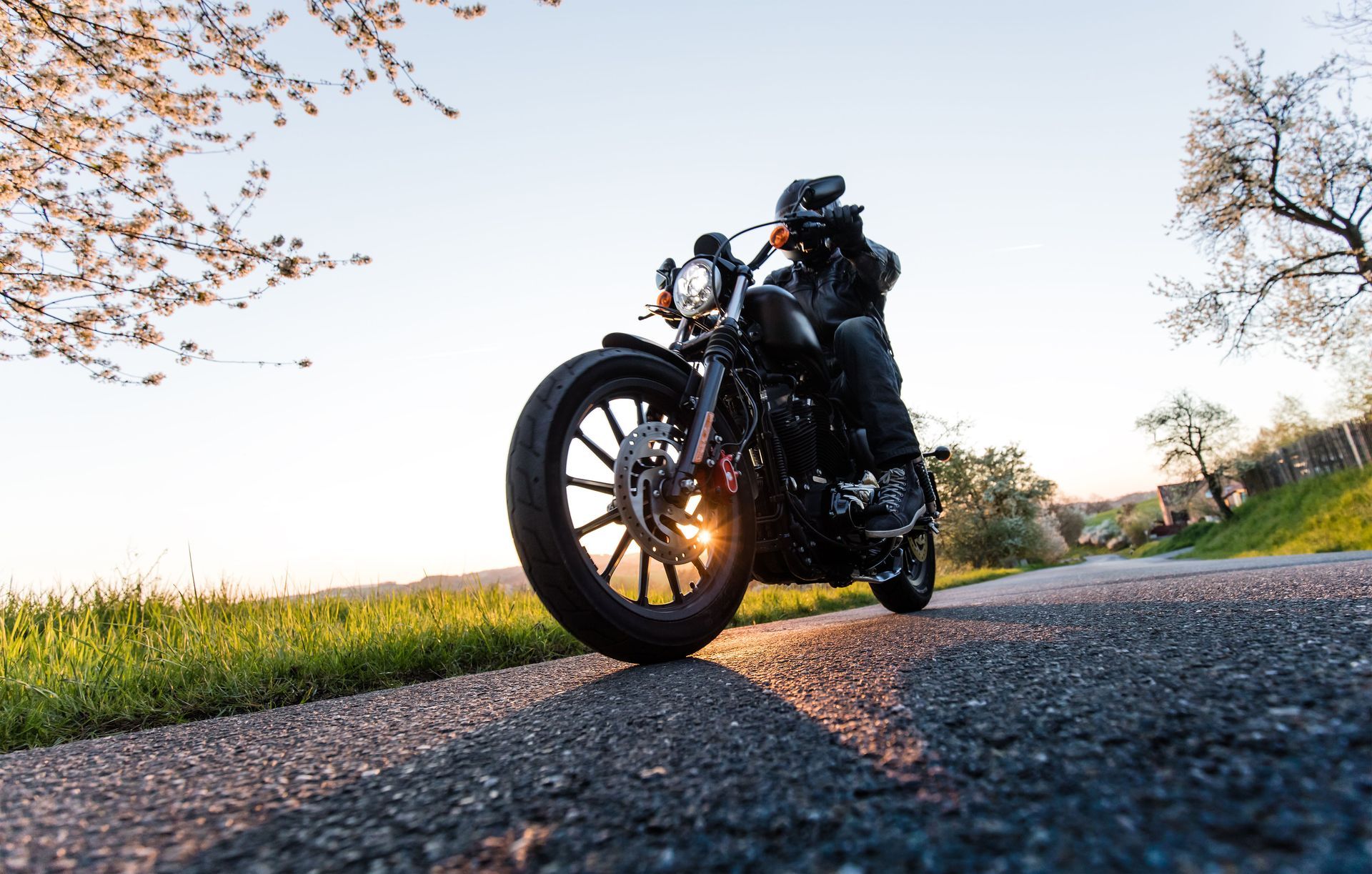
The ownership of a Harley Davidson motorcycle is often as much an emotional investment as it is a financial one. Harley enthusiasts cherish the brand’s legacy, feeling a deep connection to the iconic roar of the engine and the freedom a well-maintained bike provides. Investing in regular Harley maintenance is crucial to safeguarding this connection, ensuring the motorcycle performs at its peak over the years. By adopting a proactive approach to Harley maintenance, owners can dramatically reduce the likelihood of expensive repairs and avoid the inconvenience of unexpected breakdowns. Ultimately, regular Harley maintenance not only enhances the motorcycle's performance but also extends its life, allowing owners to enjoy their Harley Davidson for many years to come.
Understanding the Harley Davidson Engine
Examining the Evolution of Harley Engines
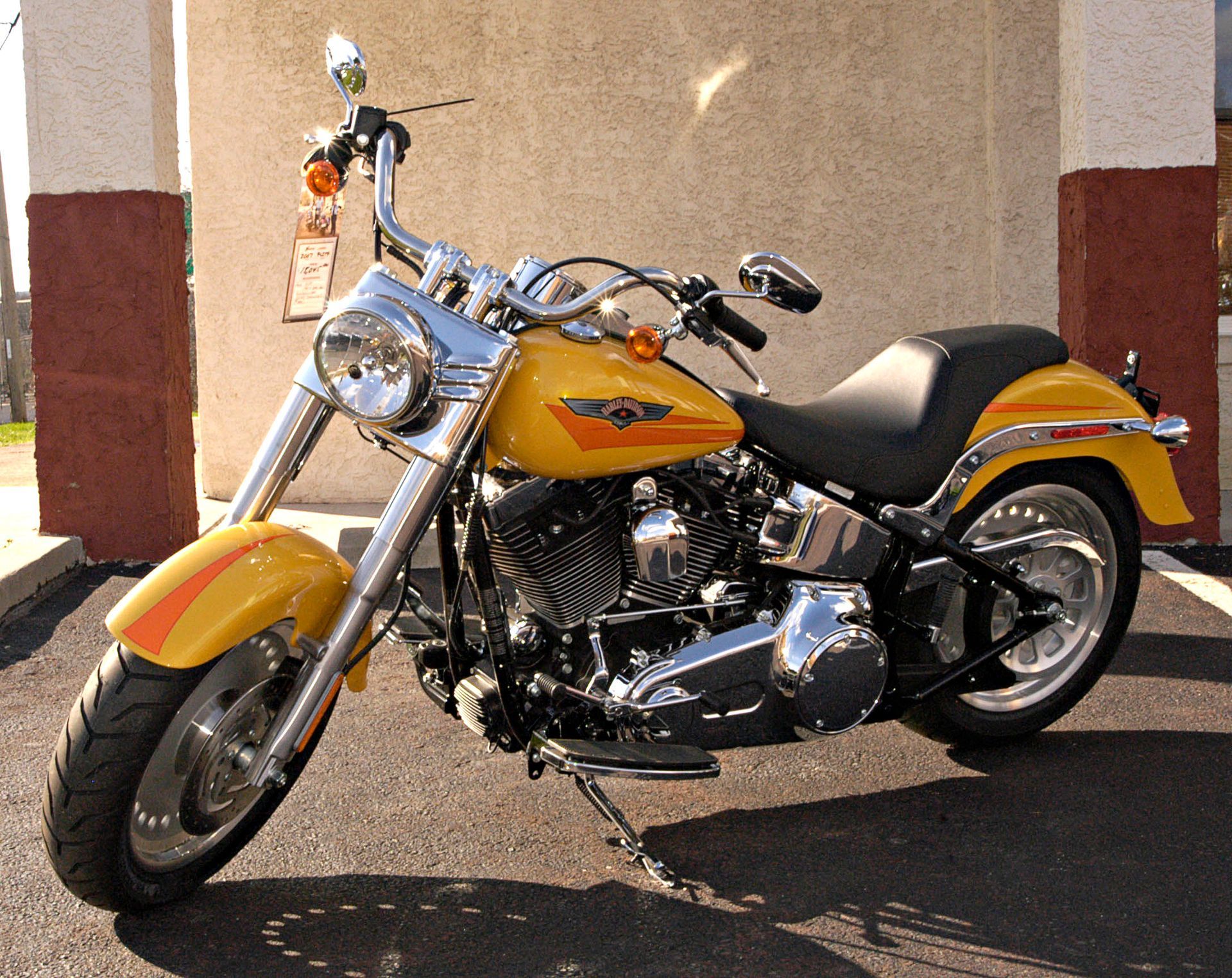
Harley Davidson engines have a rich history, evolving over decades of innovation to become the iconic symbols they are today. These engines have seen significant advancements in both performance and efficiency, steadily improving through successive models. The quintessential V-twin Harley engine continues to capture the hearts of motorcycle enthusiasts worldwide, drawing upon the company’s extensive experience in engineering robust and powerful machines. Each evolution in engine design has required specific Harley maintenance adjustments to ensure optimal performance and longevity. Owners who stay informed about these changes are better equipped to care for their cherished machines effectively, ensuring they remain in excellent condition.
Analyzing Key Characteristics Affecting Maintenance
The Harley Davidson engine, while admired for its undeniable power, possesses certain characteristics that demand meticulous attention. The engine’s robust build and unique design necessitate a precise Harley maintenance schedule, considering the V-twin's distinct configuration and cooling system. According to Future Market Insights, the main product segments in the heavyweight motorcycles market are 900–1,200cc, 600–900cc, and models above 1,200cc. Regular inspections must ensure all components function harmoniously, as any imbalance can lead to significant performance issues. Understanding these unique requirements empowers owners to make informed decisions about their Harley maintenance strategies, safeguarding the health of their engines.
Identifying Common Engine Issues and Their Causes
Common problems encountered in Harley Davidson engines include oil leaks, misfires, and overheating, each potentially stemming from various sources. Oil leaks can result from deteriorating gaskets and seals, which might wear out due to prolonged exposure to heat and vibration. Misfires often indicate issues with spark plugs or the ignition system, necessitating thorough inspections to identify the culprits. Overheating, a serious concern, can occur when cooling systems malfunction or when engine oil levels drop below recommended levels. Addressing these issues early, with appropriate countermeasures, prevents further complications and costly repairs down the line, making proactive Harley maintenance essential.
Maintaining the Harley's Electrical System
Understanding the Role of the Electrical System
The electrical system in a Harley Davidson motorcycle is an integral part of its overall functionality, responsible for powering essential components such as the ignition, lights, and various sensors. A well-maintained electrical system ensures optimal performance, enabling smooth starts and efficient running. Issues with the electrical system can seriously hinder the motorcycle's performance, leading to stalling or failure to start. Understanding the system's importance empowers owners to prioritize its Harley maintenance and avoid potential roadblocks. Regular inspections and timely replacements of components foster a robust electrical system, underpinning the motorcycle's reliability.
Diagnosing Electrical Problems Early
Early diagnosis of electrical problems can prevent more severe issues from arising, safeguarding the motorcycle's functionality and the rider's safety. Telltale signs of emerging issues include flickering lights, difficulty starting the engine, or erratic gauge readings. Owners who heed these warning signals and conduct prompt troubleshooting can address minor faults before they develop into significant problems. Employing tools like multi-meters and continuity testers facilitates accurate diagnostics, ensuring targeted repairs and replacements. Proactively addressing these issues provides peace of mind, knowing the electrical components remain in optimal condition and contribute to overall Harley maintenance.
Monitoring Key Fluids and Supporting Harley Maintenance
Understanding the Importance of Motorcycle Oils
Motorcycle oils are fundamental to maintaining a Harley Davidson's performance, acting as the lifeblood that lubricates the engine components. Choosing the right type of oil, whether synthetic or standard, dependent on engine design and riding conditions, is vital to optimal performance. Regular oil changes, adhering to manufacturer recommendations, help remove contaminants that accumulate with use, thereby preventing engine wear. Monitoring oil levels and quality ensures components remain adequately lubricated, avoiding friction that can lead to severe damage. Proper attention to oil maintenance extends the life of the engine, reducing costs over time and supporting consistent Harley maintenance.
Conducting Regular Fluid Inspections
Regular fluid inspections allow Harley owners to maintain optimal performance and identify potential leaks or contamination before they pose significant problems. Checking levels of oils, coolants, and brake fluids should become a routine aspect of Harley maintenance, ensuring they remain within recommended ranges. Spotting discoloration or unusual odors early can indicate issues requiring immediate attention, preventing further complications. Owners can follow visual and tactile checks, utilizing dipsticks and clear reservoirs to gauge fluid health accurately. Establishing these consistent inspection habits enhances the bike's reliability and ensures its components function smoothly.
Scheduling Fluid Changes to Prevent Failures
Adhering to a meticulously planned fluid change schedule ensures all essential liquids remain effective in their roles, preventing failures and maintaining performance. Motorcycle manufacturers provide recommendations for fluid change intervals, often based on mileage or elapsed time, enabling owners to plan Harley maintenance efficiently. By proactively scheduling changes and maintaining accurate records, owners prevent contamination build-up and mitigate wear from old or degraded fluids. Adopting this discipline fosters a proactive maintenance culture, crucial to preventing costly breakdowns and extending the bike's functional lifespan. Consistent fluid management is a cornerstone of preserving the Harley's rugged performance and dynamic appeal.
Inspecting Tires and Brakes for Safe Riding
Identifying Tire Wear and Ensuring Proper Inflation
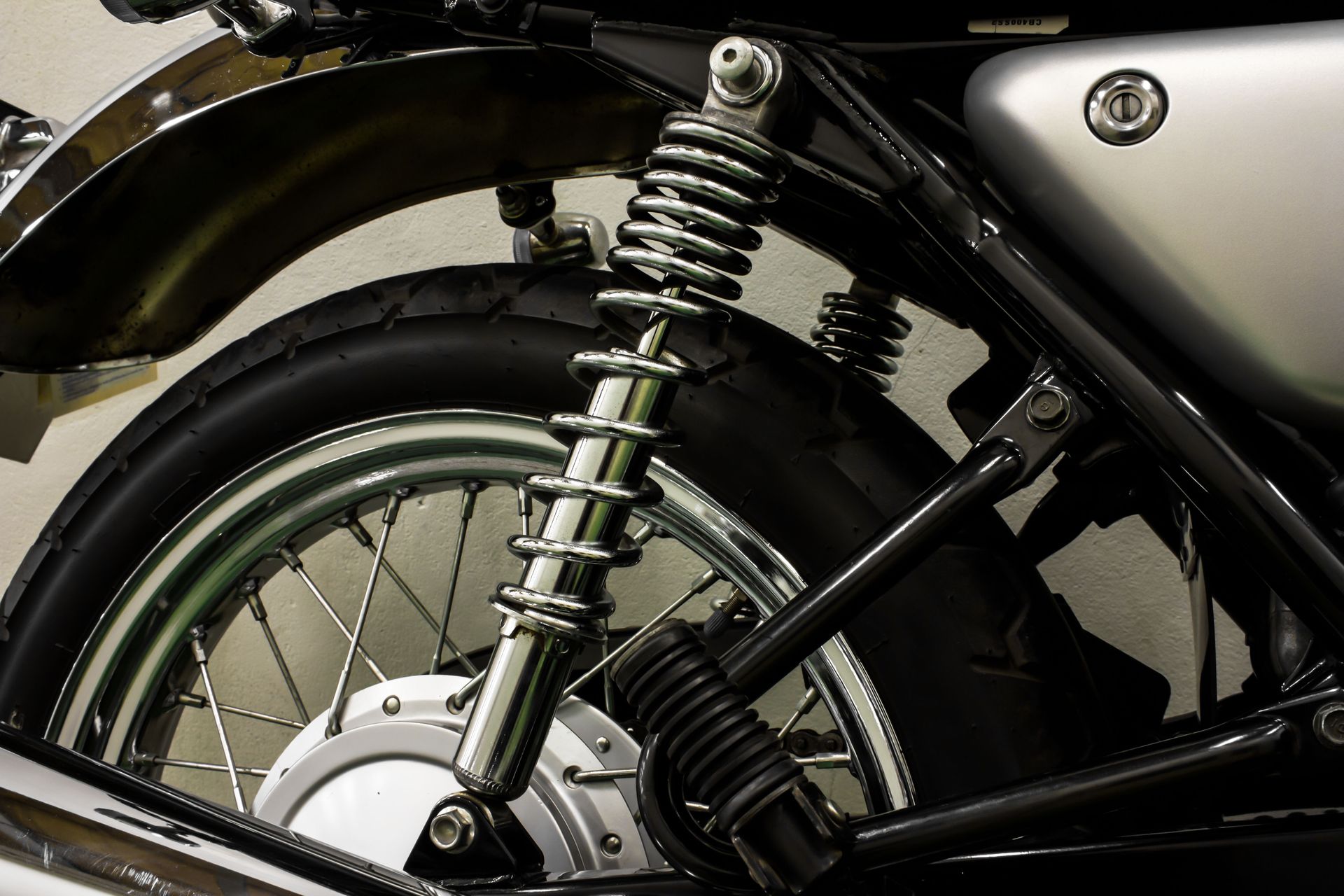
Monitoring tire wear and maintaining proper inflation levels are vital safety measures for any Harley rider. Uneven wear patterns can indicate alignment issues or suspension problems, requiring timely adjustments to prevent further damage. Identifying signs of excessive wear, such as exposed cords or bulges, ensures tires are replaced before they compromise safety. Proper inflation, guided by manufacturer specifications, enhances handling and fuel efficiency, providing a more stable riding experience. Regular inspections and maintenance of these critical components ensure the motorcycle remains roadworthy, offering peace of mind to riders and reinforcing the overall Harley maintenance routine.
Maintaining Brake Systems and Avoiding Critical Failures
The brake system is a fundamental safety feature, necessitating regular maintenance checks to avoid critical failures and ensure effective stopping power. Symptoms such as squealing, reduced responsiveness, or leaking brake fluid indicate potential issues requiring immediate attention. Regular inspections focus on pad wear, disc condition, and hydraulic system integrity, each component vital to consistent braking performance. Routine maintenance, including brake fluid changes and system bleeding, minimizes the risk of brake failures, providing confidence during rides. A well-maintained brake system supports safe riding practices, critical to navigating diverse road conditions and forming a key part of comprehensive Harley maintenance.
The ownership of a Harley Davidson motorcycle is a rewarding experience, combining performance, style, and personal connection. Proper Harley maintenance—covering the engine, electrical system, fluids, tires, and brakes—is essential to preserving this experience, preventing costly repairs, and ensuring safe, reliable rides. By staying proactive with inspections, adhering to recommended schedules, and addressing issues early, Harley owners can maximize the longevity and enjoyment of their bikes. For Harley enthusiasts looking to keep their motorcycles in peak condition, trust the experts at Blue Collar Bike Werks. Contact Blue Collar Bike Werks today to schedule your Harley maintenance service and keep your Harley running strong for every ride ahead.